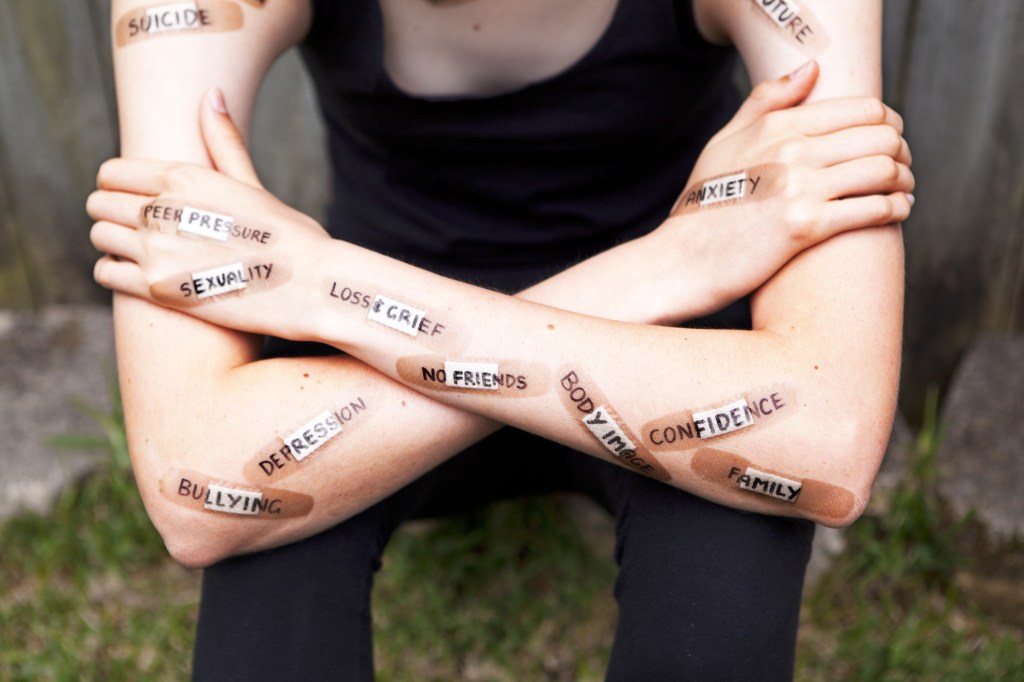
Our earlier dialogues quickly turned to questions about supporting our youth. Although we have many good organizations in St. Joe serving youth, — including the Bartlett Center, YWCA, InterServ, and MidCity Excellence, as well as our schools — they can’t address environmental needs like housing, health and food security, or even broader environmental concerns that affect youth like gun violence, climate change, hate and bias. Yet these environmental factors contribute significantly to the stress, anxiety, and hopelessness that many youth feel. As this article highlights, helping our youth through the many challenges they face requires improving their environments – offering more supports and connection and opportunities throughout our community.
In a prior post we asked, where are we as a community investing in our youth? where is more investment needed? how might we invest in the future so as to ensure opportunity for all? We also emphasized the need for decisions to be guided by data.
Now we have an additional source of data: The City Health Dashboard was designed to provide accurate, timely data to cities about health and the factors that shape health. The data specific to St. Joe can be found here. Did you know that a quarter of our youth live in poverty? Or that of that 25%, over 60% are African American? This is despite African Americans making up only 7% of the population. Other minorities are disproportionately impacted as well.
There are actions we can take that would provide all of our youth with a stronger, more resilient, more supportive community. You can read about some of those here, and many of these are aligned with the Imagine 2040 vision goals. But it takes engaged citizens, focus, and transparency to make the progress we want.
Engaging our youth by sharing this data, hearing their voices, and working with them to build a more supportive community could be one step towards lessening the stress and anxiety so many are experiencing.
 All Voices St. Joe
Leave a comment